Getting comfortable in the kitchen comes one meal at a time. A useful gift can make everyday prep easier while giving a beginner room to explore new recipes.
These 14 ideas cover approachable tools, cookware, baking gear and appliances, with options for different kitchens and gifting occasions.
14 Thoughtful Gift Ideas for Beginner Cooks
Lodge Essential Enamel Cast Iron Dutch Oven
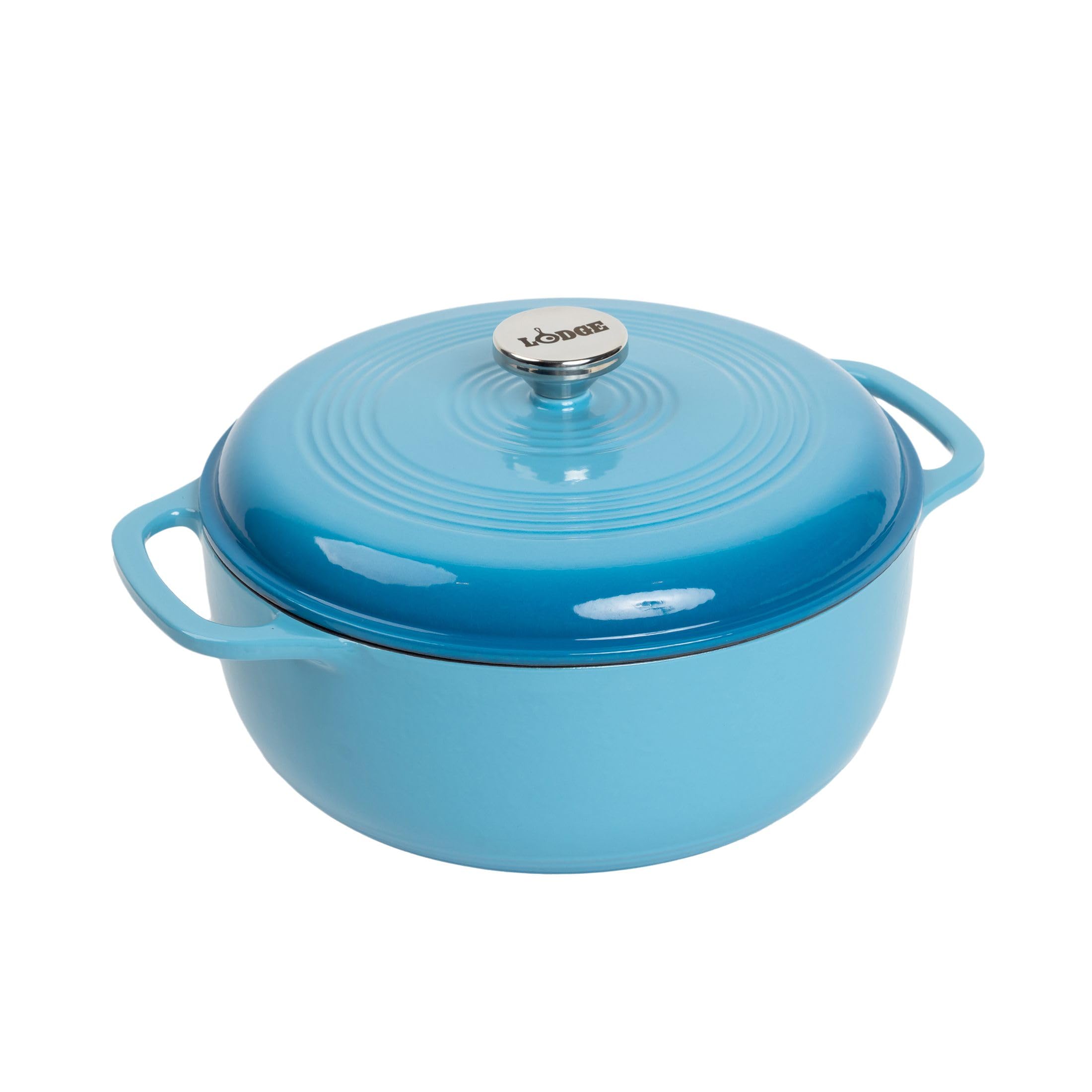
- Cast iron construction offers heat retention and durability.
- Use it on the stovetop or in the oven.
- The lid is designed to help seal in moisture.
Best Gift For: A beginner who wants one versatile pot for slow cooking, braising or baking bread.

Culinary Couture Silicone Utensil Set, 6 Pieces
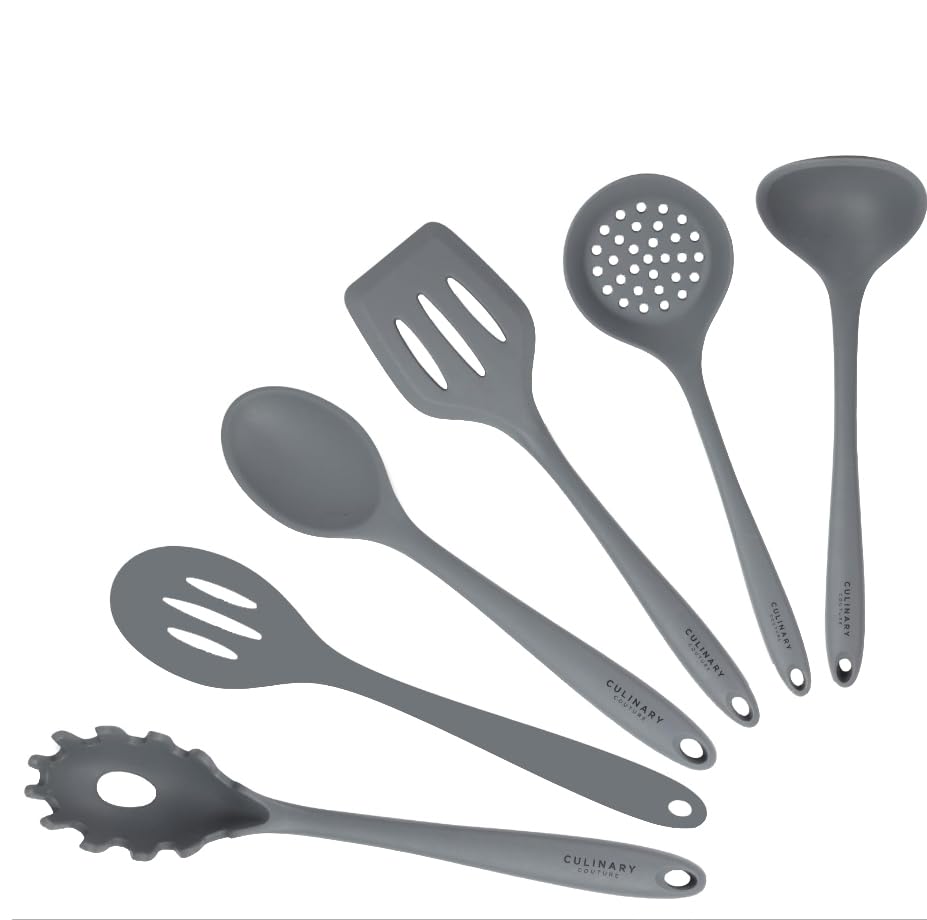
- The set includes a slotted spoon, ladle, drainer, pasta server, spatula and serving spoon.
- The silicone tools have a stainless steel core.
- The utensils are dishwasher safe.
Best Gift For: A new cook setting up a kitchen with basic tools for everyday cooking.
Mueller Living 1.8L Electric Kettle
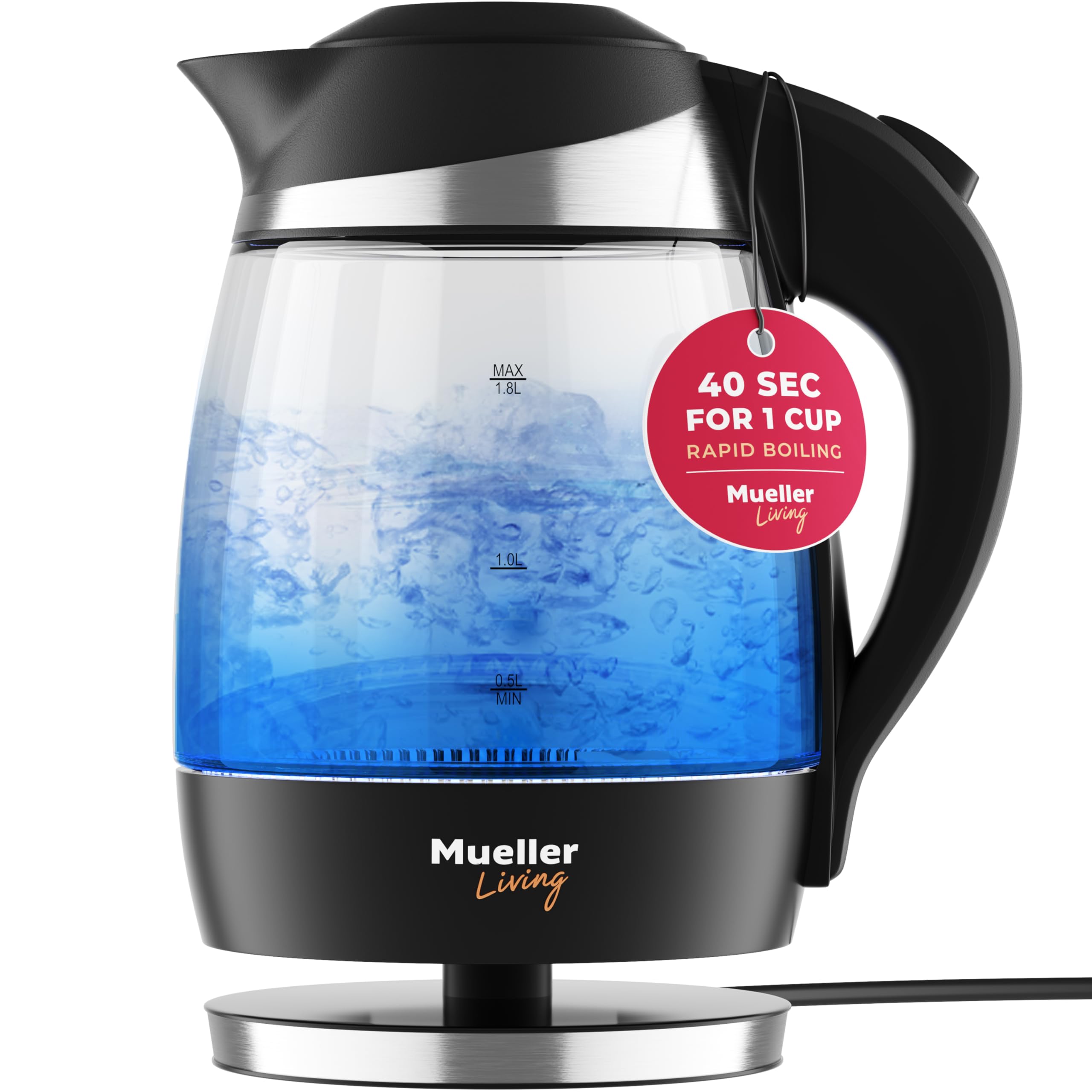
- The kettle has a cordless pouring design.
- It switches off automatically when water boils.
- A removable filter can be washed.
Best Gift For: A beginner who often makes tea, oatmeal, instant soup or coffee.
Royal Craft Wood Bamboo Cutting Board Set
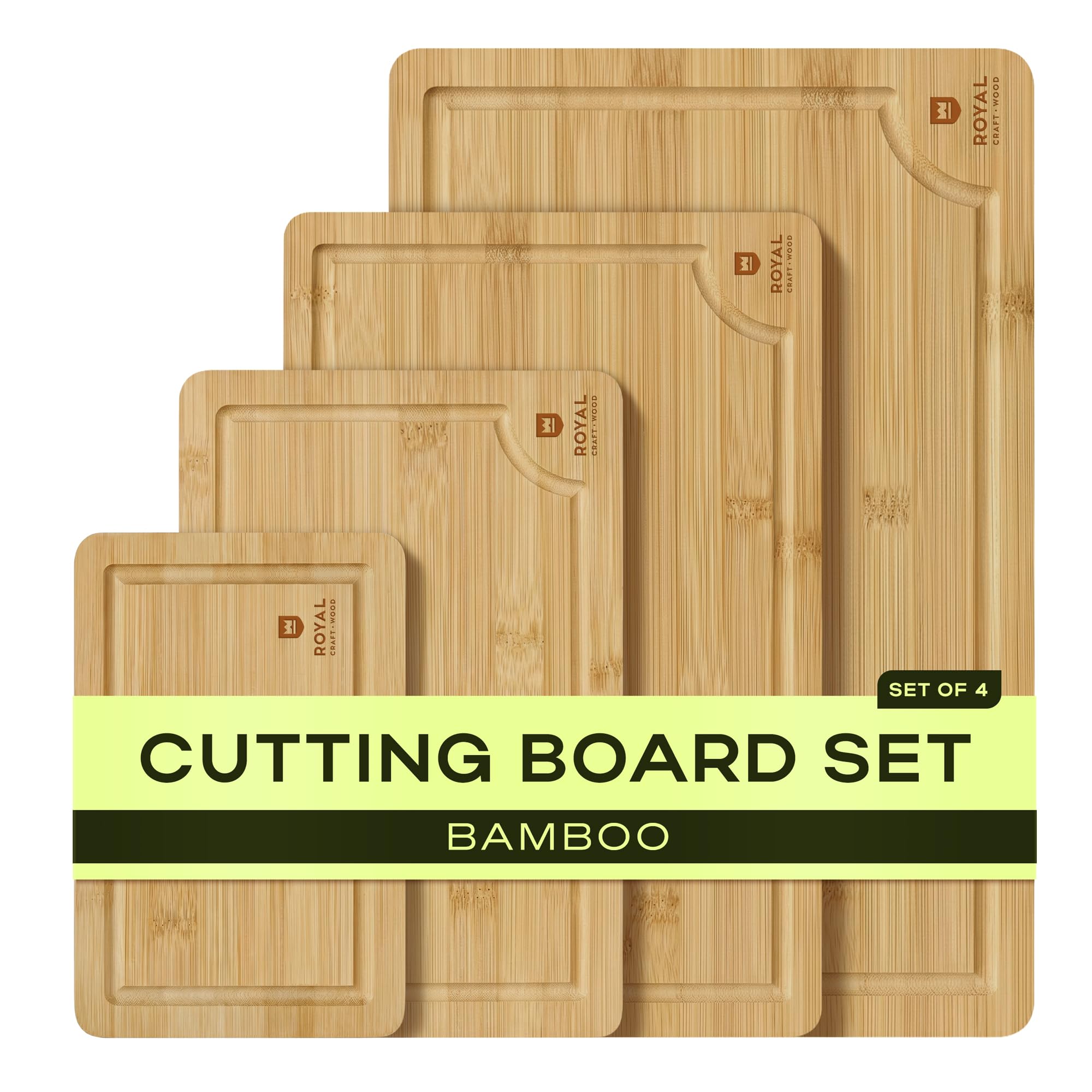
- The set includes boards in four sizes.
- Grooves help catch liquid from juicy ingredients.
- The boards can be washed by hand with mild soap and warm water.
Best Gift For: A beginner who wants boards for both food preparation and casual serving.
Home Hero Kitchen Knife Set with Built-In Sharpener
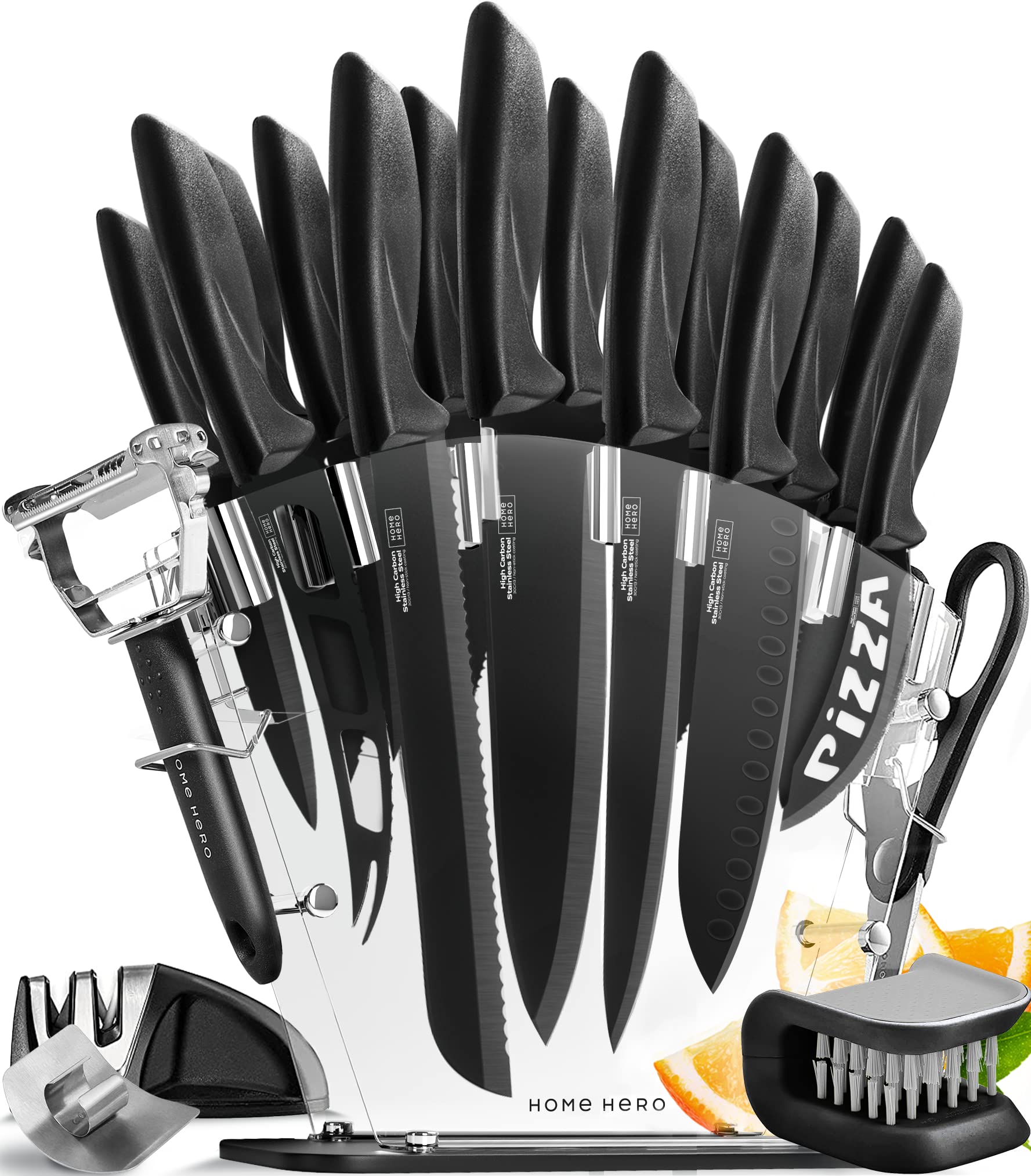
- The set includes a chef knife and Santoku knife.
- Ergonomic handles are designed for comfort during extended use.
- A sharpener is included for maintaining the cutting edge.
Best Gift For: A beginner furnishing a new kitchen with a collection of cooking knives and storage.
MuellerLiving Ultra-Stick Immersion Hand Blender
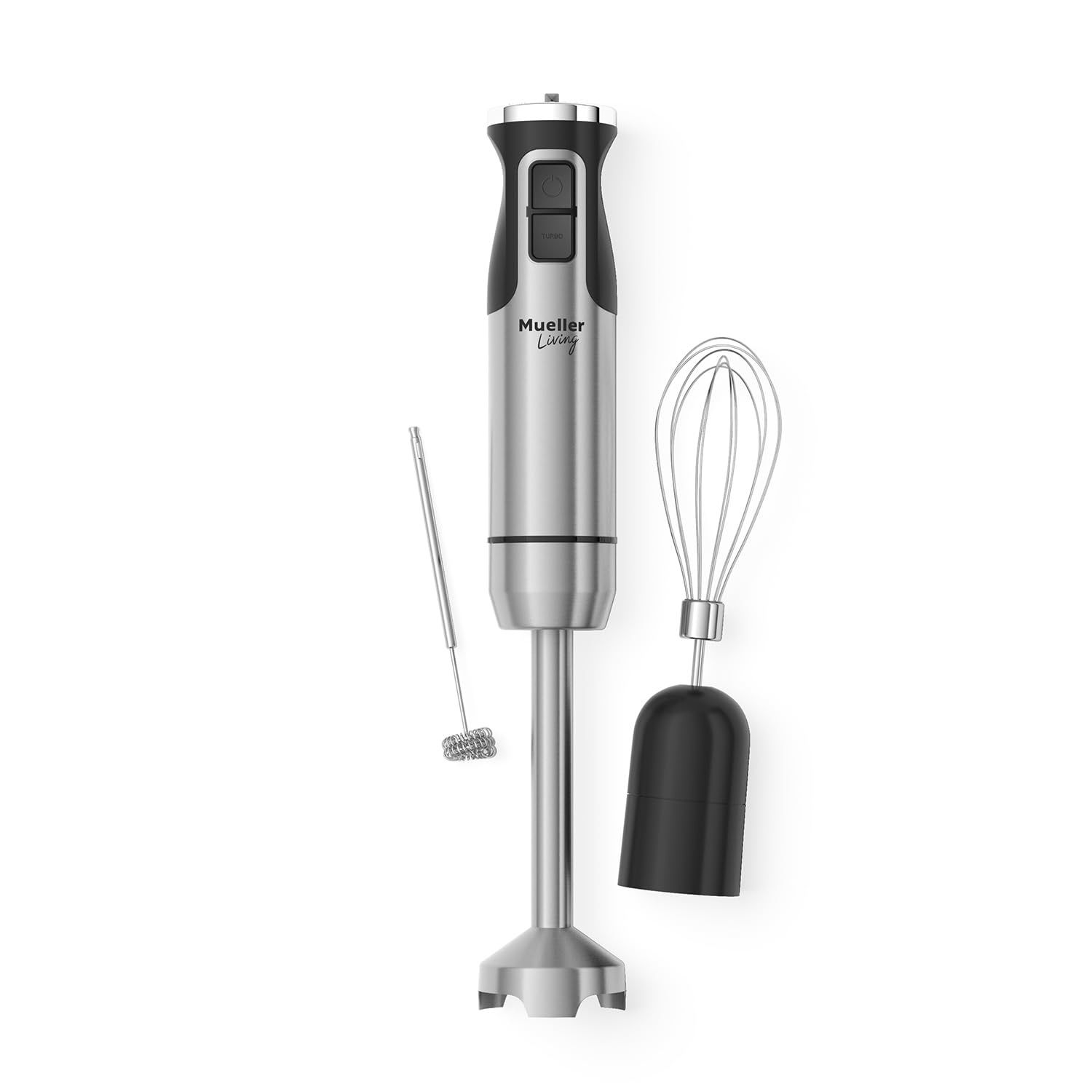
- The set includes a blending shaft, frother and whisk.
- A Turbo Mode provides an option to increase power.
- The blending shaft, whisk and frother are dishwasher safe.
Best Gift For: A beginner who likes making blended soups, smoothies or whipped toppings.
CHEFMAN 2 Qt Mini Air Fryer
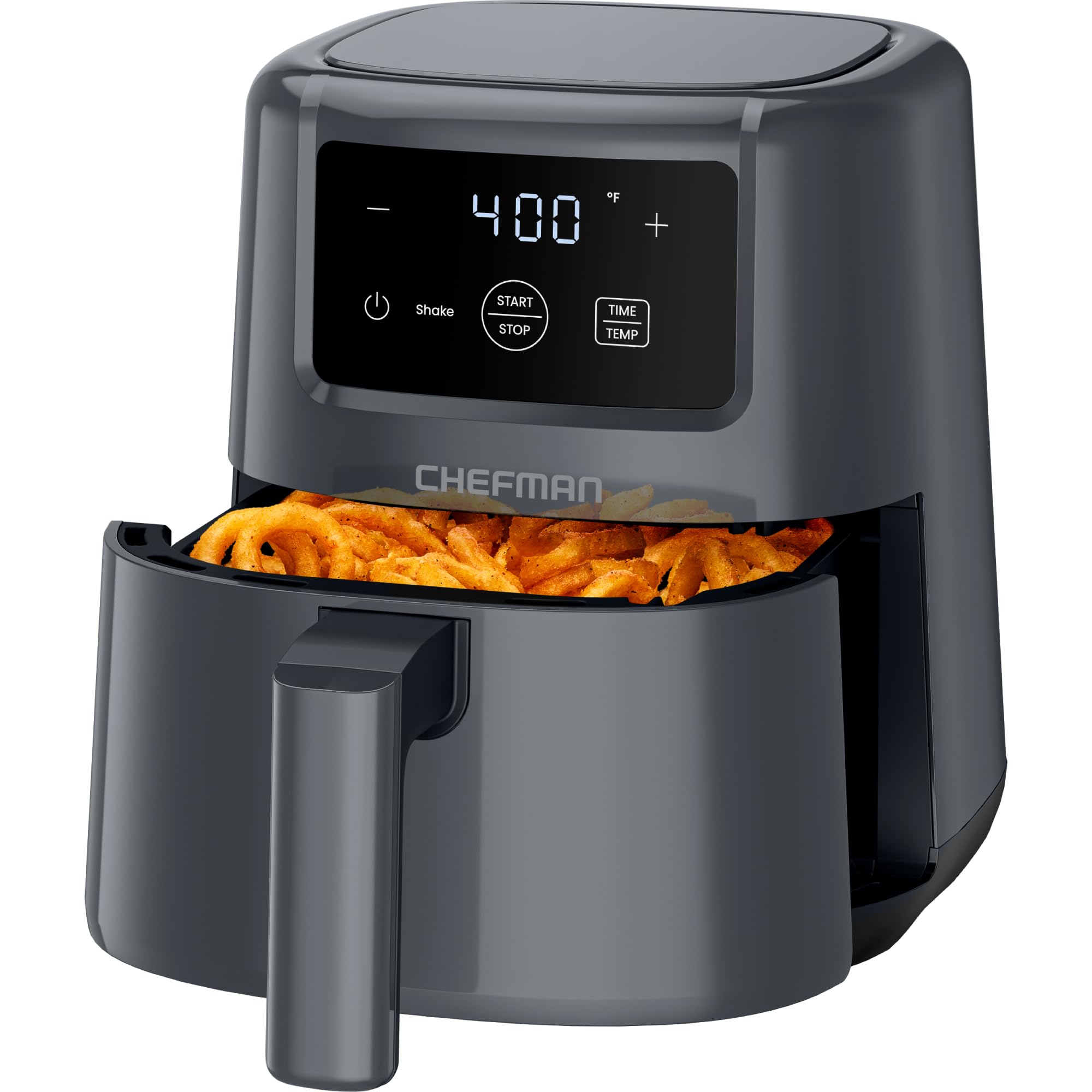
- The digital display lets the cook adjust time and temperature.
- A reminder signals when it is time to shake food.
- The basket and rack are dishwasher safe.
Best Gift For: A beginner cooking smaller meals in a compact kitchen or for one or two people.
Nicewell Digital Kitchen Food Scale
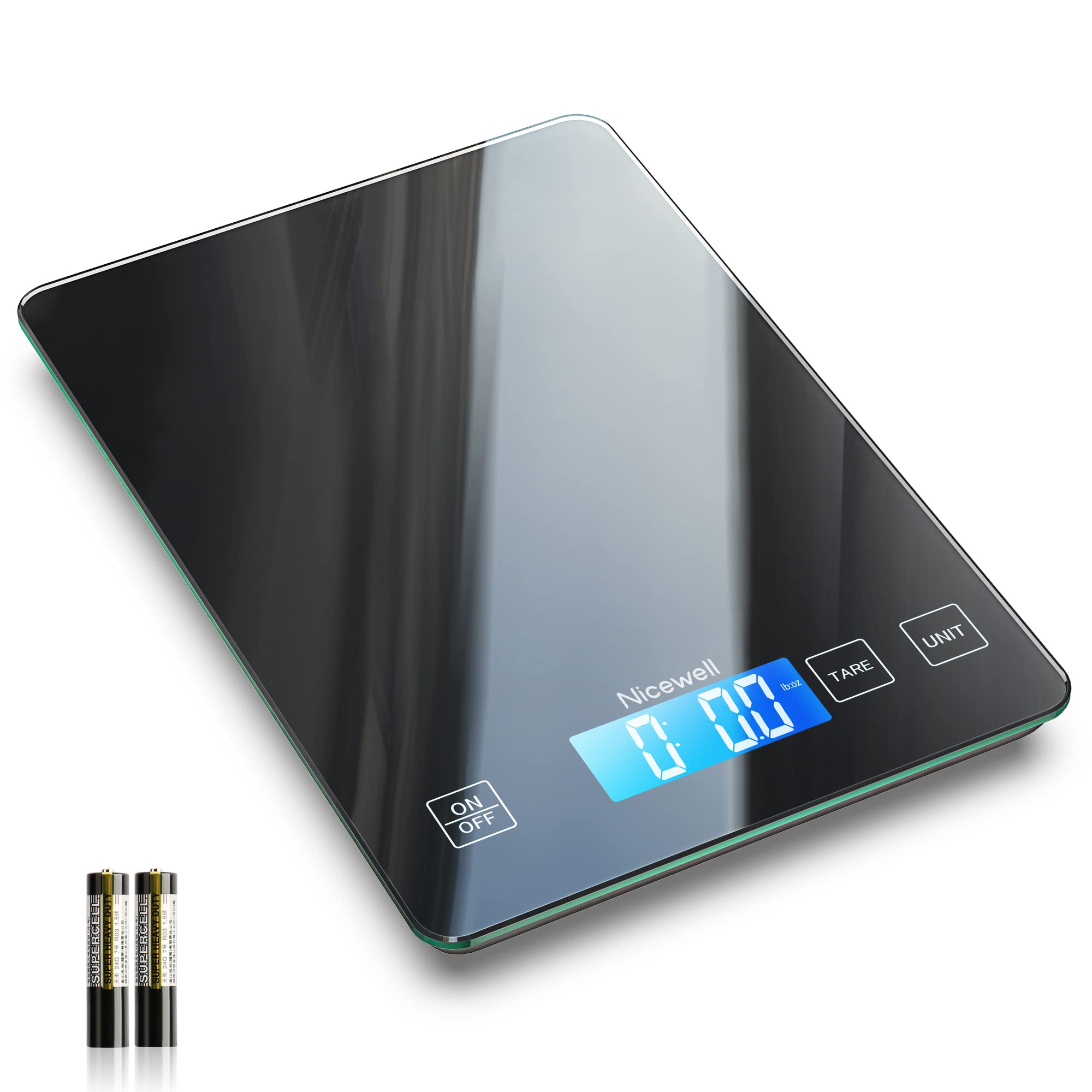
- The scale measures in gram and ounce increments.
- The tare button subtracts the weight of a plate or container.
- The stainless steel top is designed for easy cleaning.
Best Gift For: A beginner who wants to weigh ingredients for cooking or baking.
Alpha Grillers Digital Instant Read Meat Thermometer
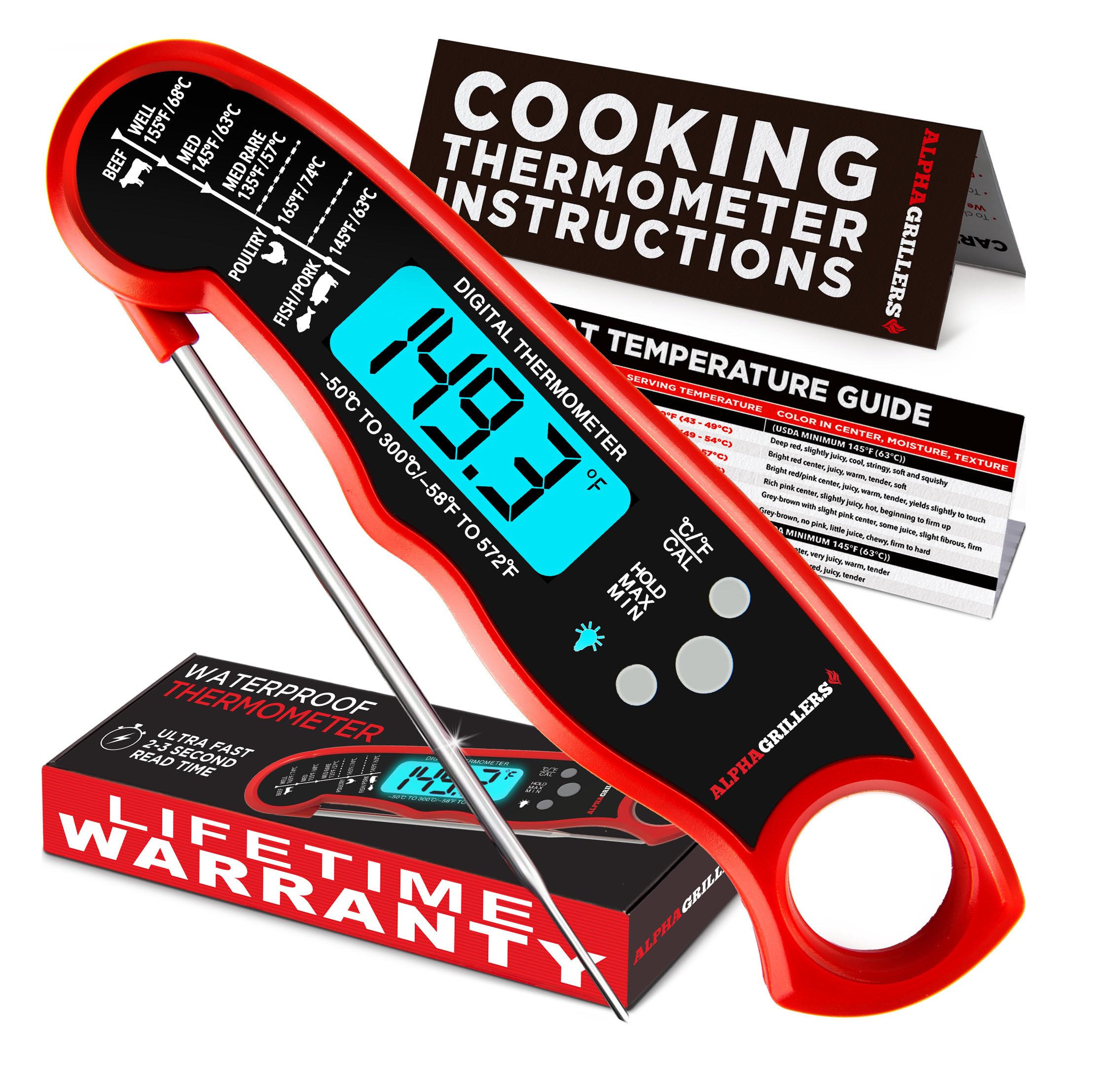
- The thermometer has a temperature probe and a quick response time.
- A backlight helps make the display readable.
- The thermometer is water-resistant.
Best Gift For: A beginner who wants temperature checks for cooking meats, liquids or baked dishes.
Mueller Austria Adjustable Mandoline Slicer
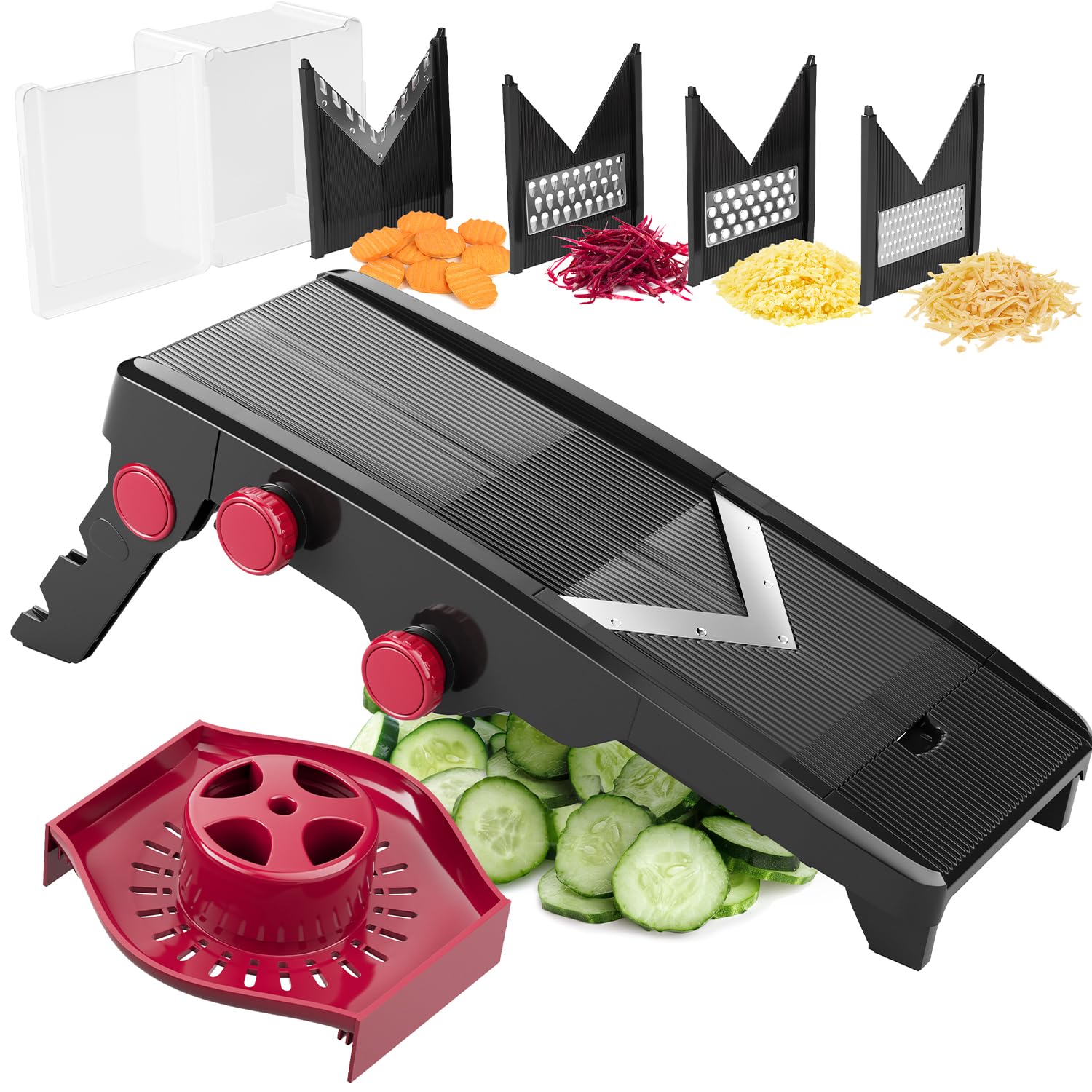
- The tool comes with five blades for slicing, grating and julienne shredding.
- A food pusher moves ingredients over the blades.
- The slice thickness can be adjusted.
Best Gift For: A beginner who wants a slicer and grater for preparing fruits and vegetables.
CASABREWS CM5418 Espresso Machine
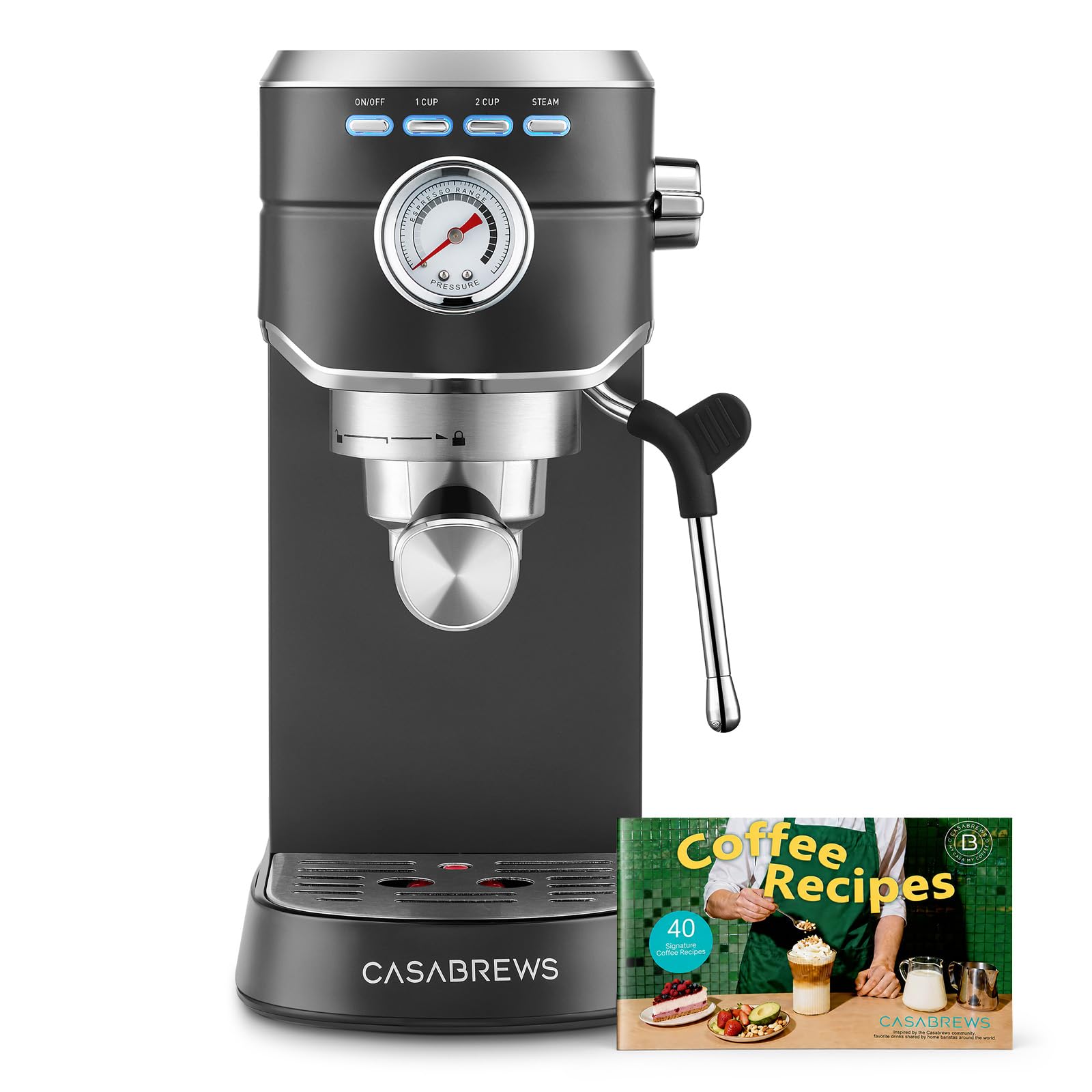
- The steam wand can texture milk into microfoam.
- The built-in pressure gauge lets the user make adjustments to taste.
- The removable water tank is designed for easy refilling.
Best Gift For: A beginner who wants to practice making espresso drinks and milk foam at home.
Sharp Pebble 1000/6000 Grit Whetstone Sharpening Kit
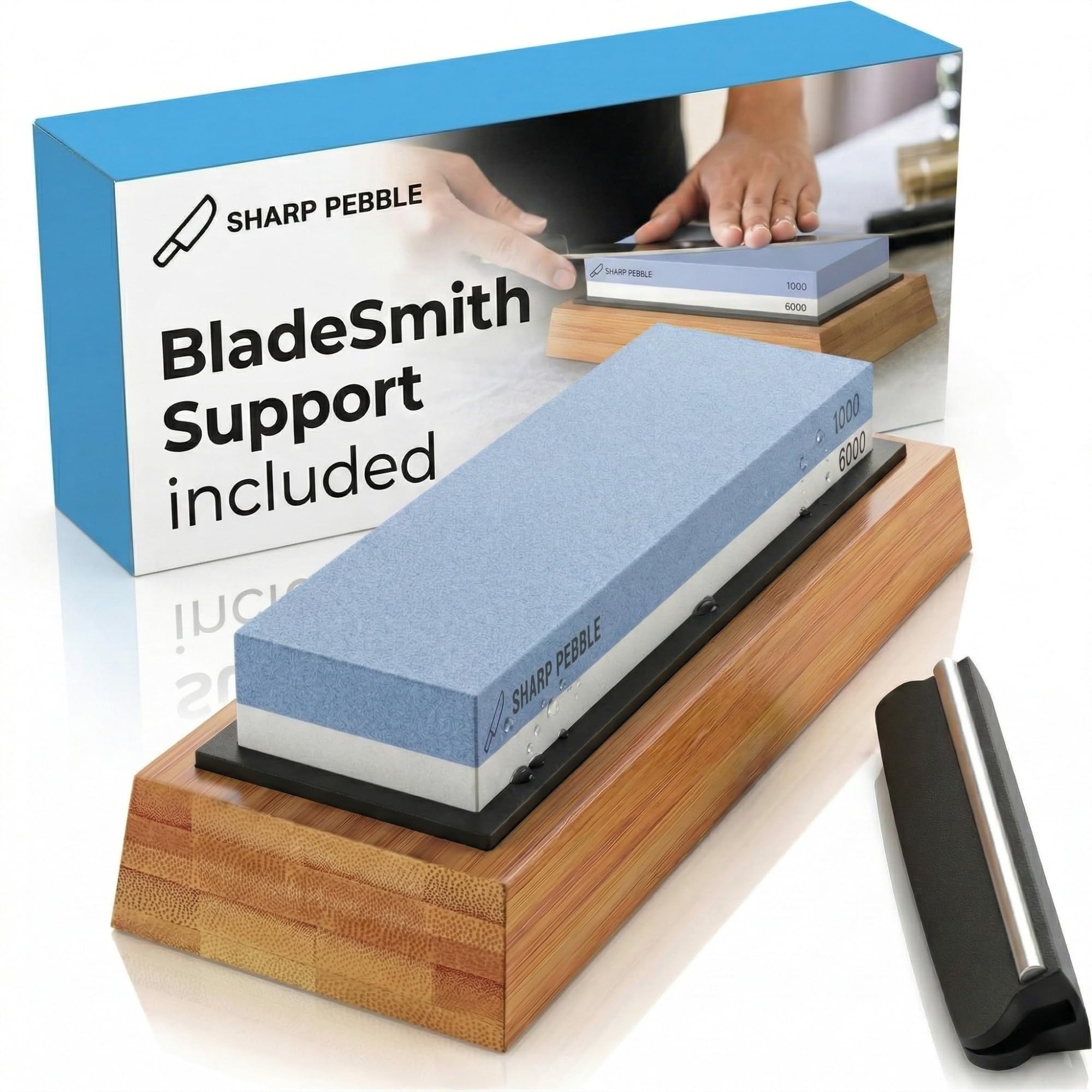
- The kit includes a dual-grit whetstone, bamboo base and angle guide.
- The sharpening process uses water instead of honing oil.
- The angle guide helps position the blade.
Best Gift For: A beginner interested in learning how to maintain kitchen knives with a whetstone.
Chefman Anti-Overflow Belgian Waffle Maker
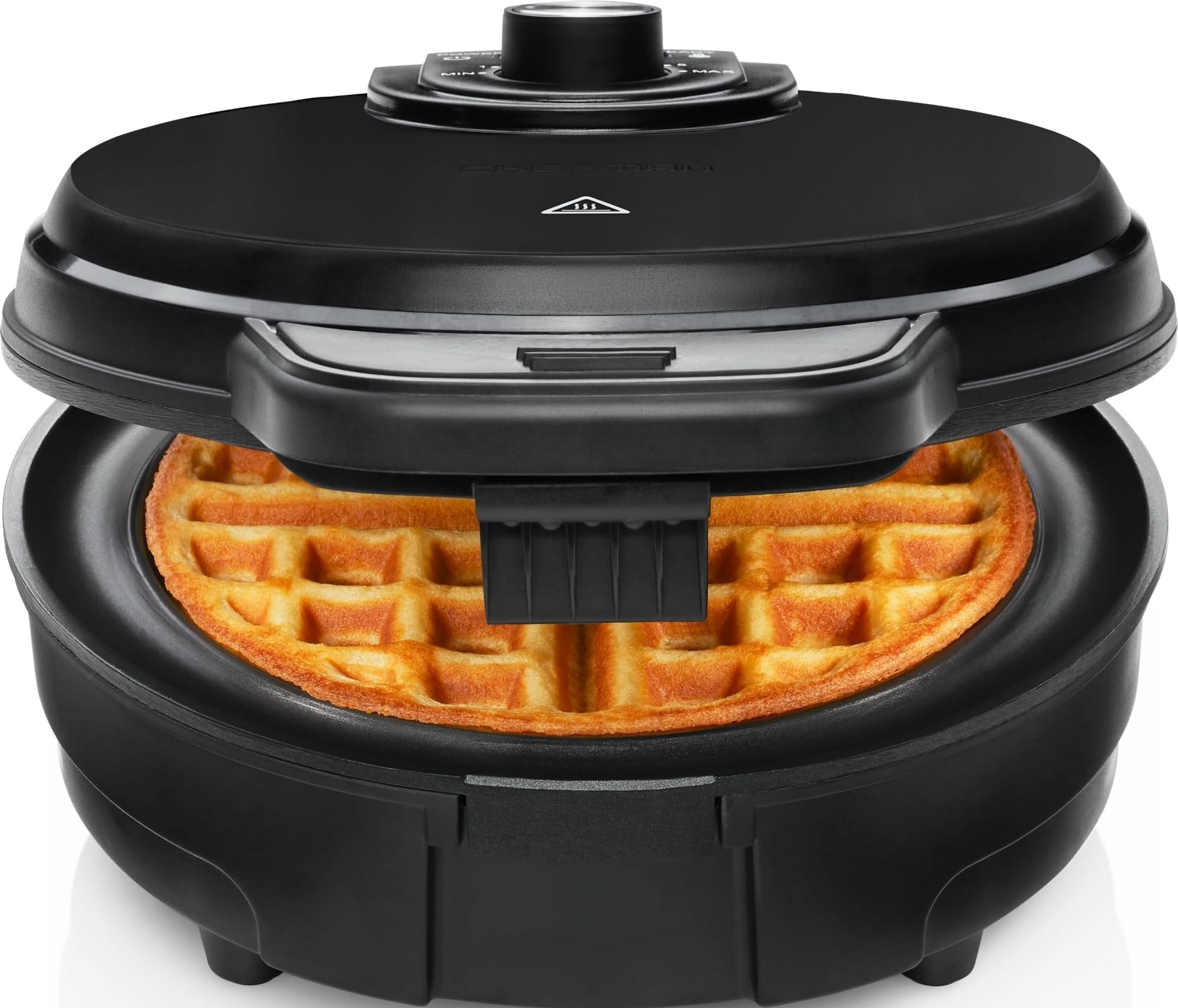
- A wrap-around channel catches excess batter.
- The maker offers different shade settings.
- It can be stored upright to save space.
Best Gift For: A beginner who enjoys making homemade waffles for breakfast or brunch.
Ultra Cuisine Nonstick Half Sheet Baking Pan
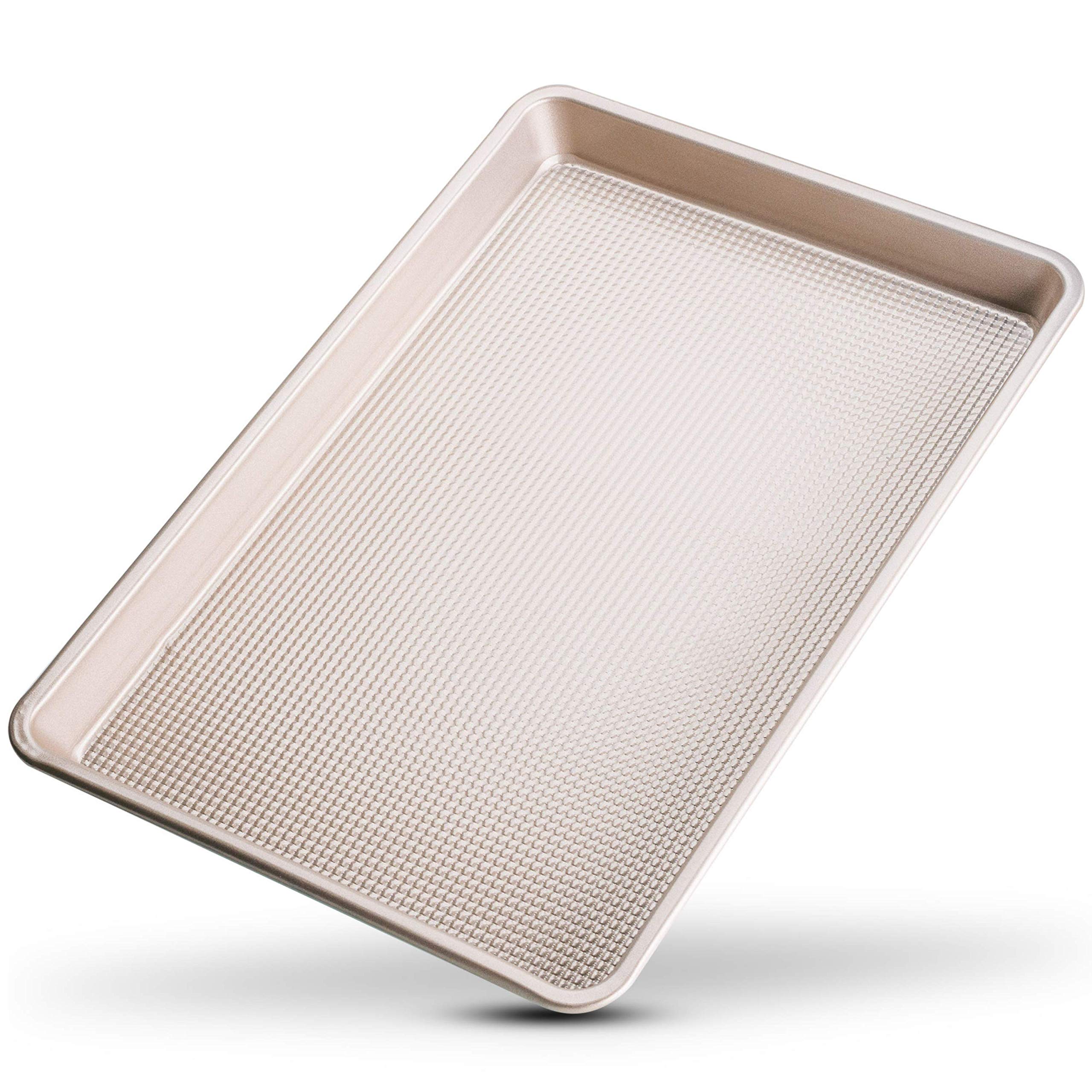
- The textured surface is designed to support airflow.
- The nonstick coating supports easy cookie release.
- The pan is made from carbon steel with rolled edges.
Best Gift For: A beginner who wants a baking sheet for cookies, roasting or other oven cooking.
1. Match Gifts for Beginner Cooks to Their Routine
When choosing gifts for beginner cooks, start with the meals the recipient already wants to make. Someone building weeknight dinners may appreciate dependable prep tools, while a baker will get more use from gear for measuring and oven work.
A person who likes experimenting with soups or sauces may enjoy a blending tool.
Think about the kitchen as well as the cook. A compact household may favor equipment that stores easily, while a keen host could use tools that move from prep to the table.
If you are unsure, choose a versatile item that supports several familiar tasks instead of something tied to one ambitious recipe.
Consider how much setup the gift requires. Straightforward tools can go straight into a regular routine, while specialty appliances may call for counter space and new habits.
A cookbook, a favorite pantry ingredient or a handwritten recipe can make either kind of present feel more personal and immediately useful.
2. Balance the Budget with How Often It Will Be Used
Kitchen gifts range from small practical gestures to substantial appliances. Set a comfortable budget first, then think about whether the recipient will use the item weekly or only for occasional projects.
An everyday tool can feel generous when it solves a regular annoyance, while a specialty item makes more sense when it matches a strong interest.
For a larger purchase, think through the full setup: storage, any compatible accessories, and whether the recipient already owns something that does the same job. For lower-cost gifts, pairing a useful tool with a recipe card or pantry staple can make the presentation feel considered without adding complexity.
Use prices as a moving detail and check them at the time you shop. Compare the current price with your budget and consider return terms before buying.
The goal is a gift that fits the person’s kitchen and habits comfortably, rather than one that feels impressive only because it takes up more space.
3. Personalize Gifts for Beginner Cooks
For gifts for beginner cooks, personalization can connect a practical tool to a meal or memory they care about. Pair a baking item with a family cookie recipe, or add a note suggesting a favorite soup for a blending tool.
A simple handwritten card can explain why you thought of that particular recipient.
Presentation can set an easy, welcoming tone. Wrap a kitchen tool with a tea towel or tuck a recipe card into the package; for cookware or an appliance, include a short list of approachable dishes to try.
Keep add-ons relevant and modest so the main gift remains easy to use.
If the recipient is moving into a new home, a practical kitchen gift can mark the occasion while helping them settle into everyday cooking. For someone who already cooks, focus on a tool that supports a technique they are curious about.
A brief note naming a first dish to try makes the gift feel inviting rather than demanding.
4. Make Buying a Kitchen Gift Less Rushed
When shopping close to an occasion, settle on the recipient and use case before comparing models. Check the current product details for dimensions, compatibility with their existing equipment and care instructions.
This is especially helpful for countertop appliances, cookware and tools that need a particular storage spot.
Review delivery estimates for your address and the return policy before placing an order. If timing is uncertain, a printed recipe, a note about the intended gift or a small pantry item can accompany a later-arriving present.
Keep the recipient informed in a warm way without promising an arrival date you cannot control.
For an in-person purchase, inspect the package and confirm that the included components match the product information you are considering. If you are buying online, save the order details and give yourself time to contact the seller if something is missing or damaged.
A little practical planning helps the gift remain enjoyable after it is opened.
5. Choose Gifts for Beginner Cooks They Can Grow Into
A useful kitchen gift can meet a beginner where they are and still leave room to learn. Look for something that supports an attainable first step, such as preparing a familiar dish, measuring ingredients or trying a new breakfast.
Confidence grows when a tool makes practice feel manageable.
Think about how the gift will fit alongside what the recipient already owns. A smaller addition may be more welcome than a large item with no obvious place to keep it.
If possible, ask someone close to them about kitchen space or favorite meals without giving away the surprise.
The most thoughtful choice is often the one that makes the next cooking session feel easier to begin. Include an idea for a first use, keep care and storage in mind, and let the recipient explore at their own pace.
Practical support can make learning feel enjoyable, one meal at a time.